Preparation for Certification and Inspection
This is the most complicated part of the registration and certification process. It involves submitting a lot of paperwork and coordinating with either the FSDO or a DAR to do an airworthiness inspection.
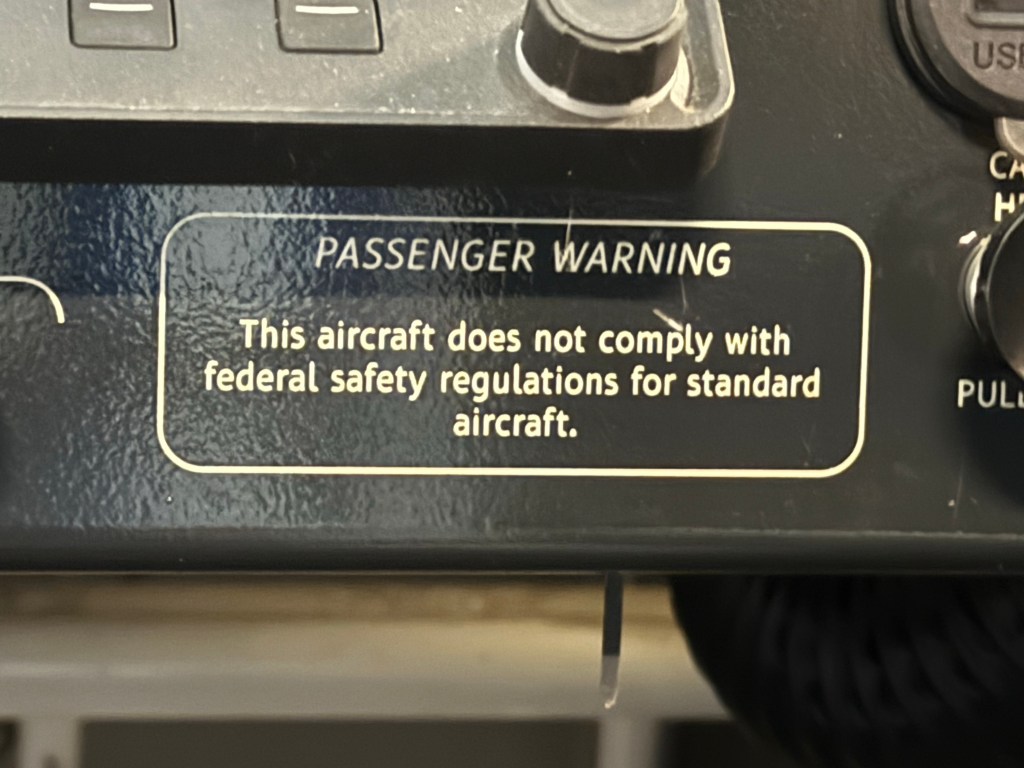
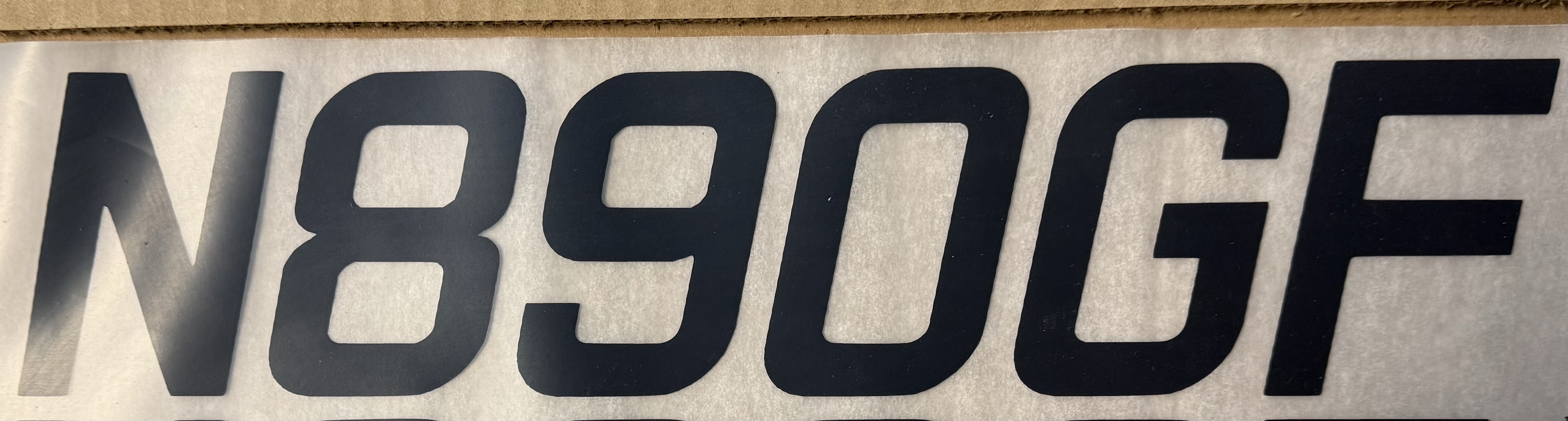
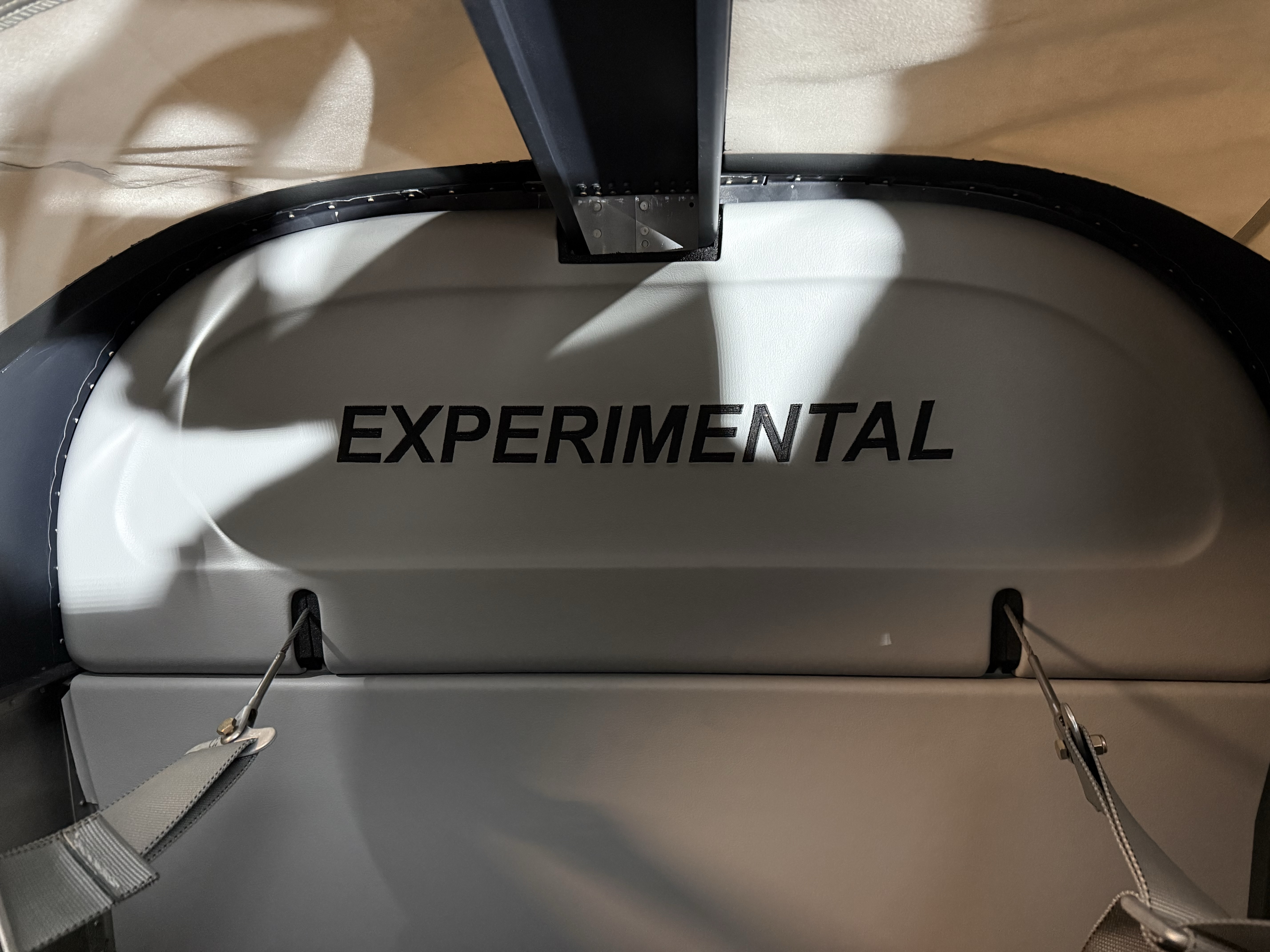
The first thing to do is to prepare the aircraft for the inspection. This involves ensuring all applicable placards and markings are installed. N Number, EXPERIMENTAL, Passenger warning labels and the Aircraft Data Plate.
N Numbers have to comply with the requirements listed in FAR 45. 23, 45.25, 45.27 and 45.29. I installed my 3″ tall N Number on the lower portion of the fuselage between the tail and the wing.
The EXPERIMENTAL label that my plane has is part of the interior I received from Classic Aero Designs. It covers the top half of the baggage bulkhead and is very high quality. I also have the EXPERIMENTAL label on the underlying bulkhead in case I remove the interior panels for any reason. The sizing and location requirements are stated in FAR 45.23.
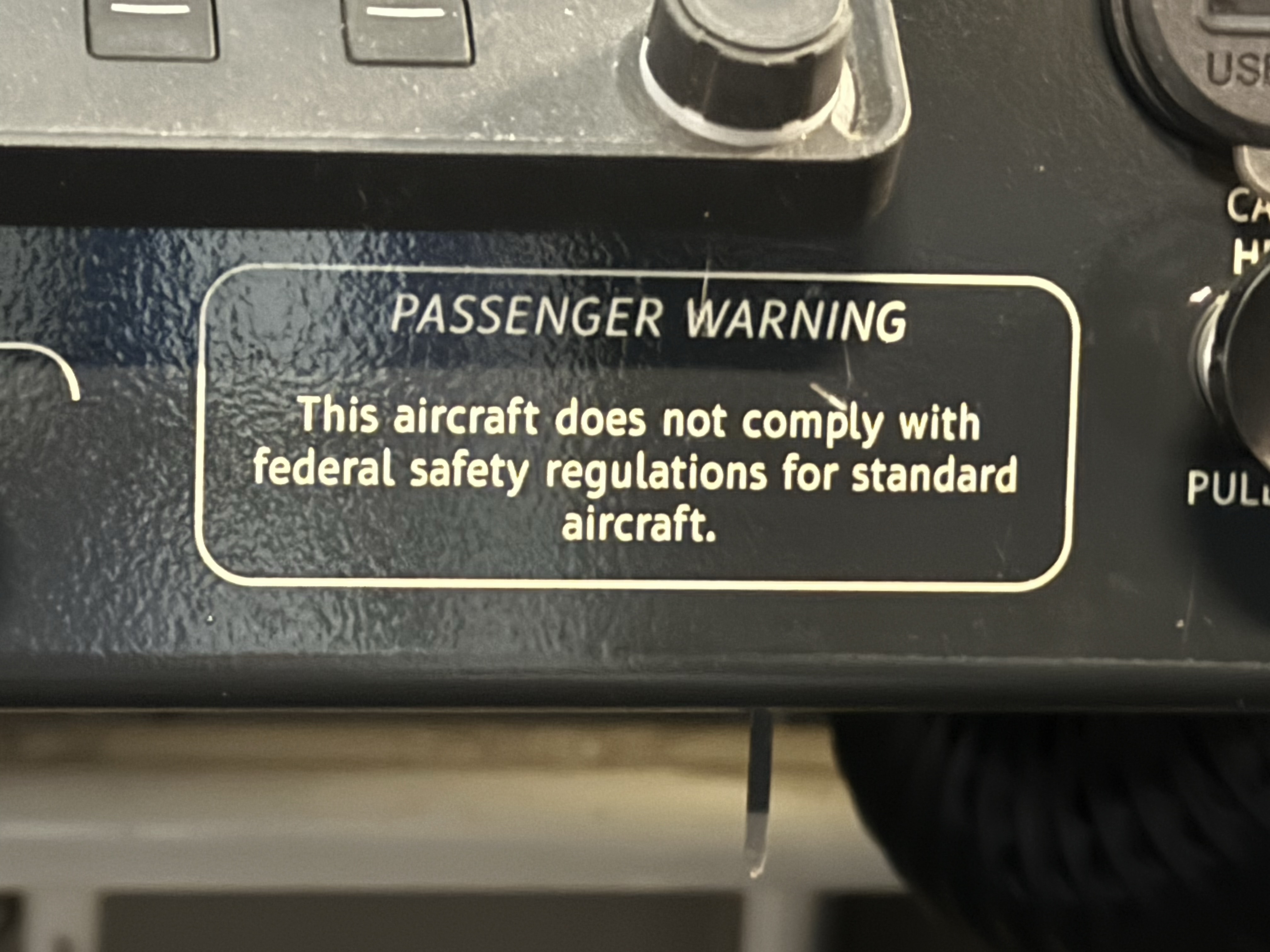
The passenger warning label, PASSENGER WARNING – THIS AIRCRAFT DOES NOT COMPLY WITH FEDERAL SAFETY REGULATIONS FOR STANDARD AIRCRAFT is installed on my panel directly in front of the passenger seat.
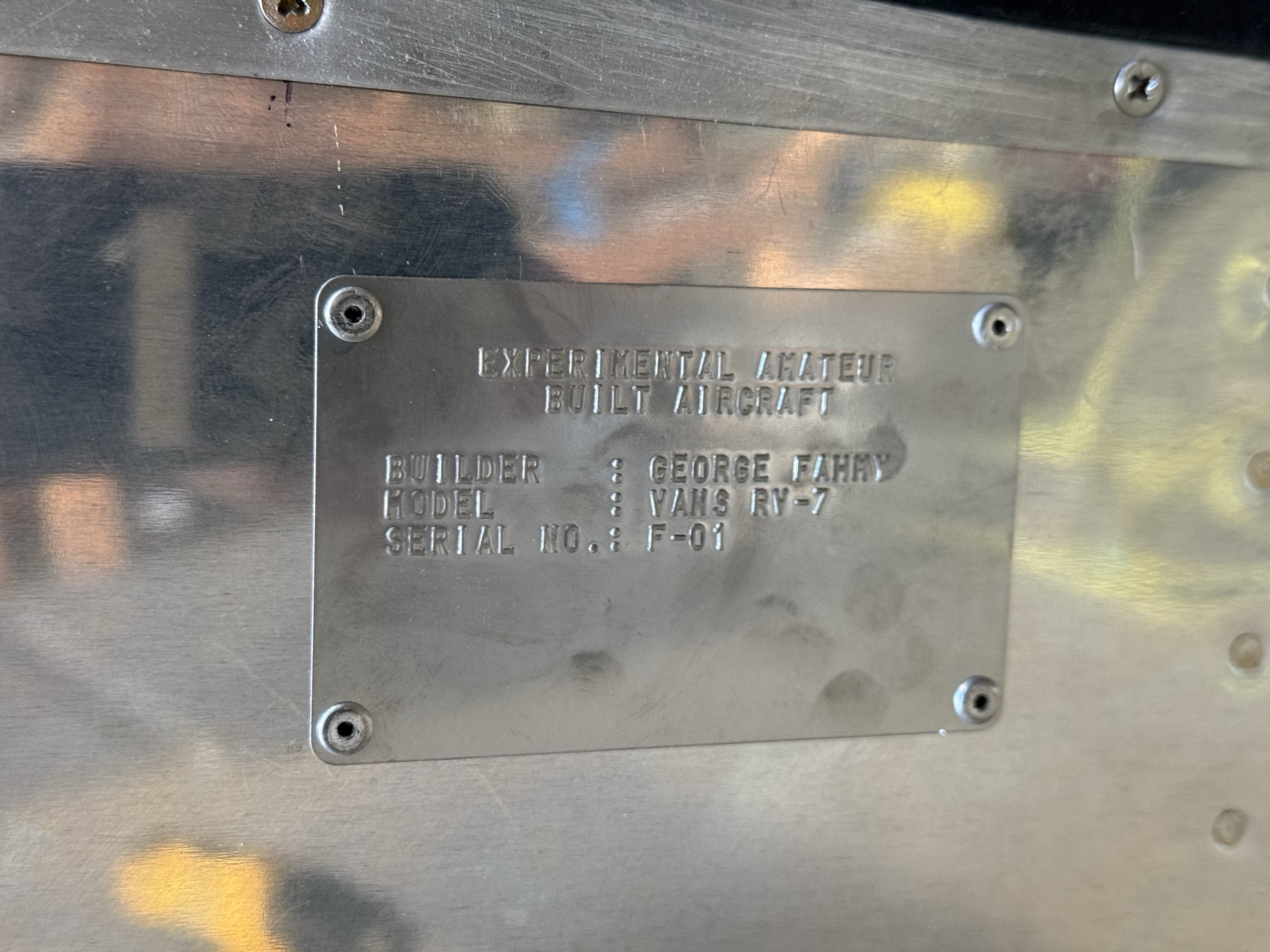
For the Data Plate requirement, I ordered my data plate from mydogtag.com. They have a very clean and easy interface to provide the required information. Builder, Model, and Serial Number are all that are required. Many builders put additional information, but this is the required information.
The inspector will want to see the aircraft registration certificate (which must be kept in the plane anyway).
The aircraft ELT should also be installed if the aircraft has more than 1 seat. FAR 91.207 has additional information about requirements.
A complete weight and balance must also be completed. It must have Empty Weight, Max Gross Weight, Most Forward/Aft CG loading and First Flight W&B. The FAA has a great guide on W&B, and the EAA has a printable form that will satisfy these requirements, as well as many resources online for helping with W&B.
Aircraft maintenance records must also be provided to the inspector. This includes Airframe, Engine, and Propeller Logbooks. Its likely at this stage that these will be empty. There must be one entry in the airframe logbook that states: “I certify this aircraft has been inspected in accordance with the scope and detail of Appendix D to Part 43 and has been found to be in condition for safe operation.” This entry must be made by the owner.
Certification Application
Once all the above items are completed, the application can begin. The entire application process must be completed online at the FAA AWC Applicant Portal. The forms are required in electronic form, so either fill them out and then scan them, or using an PDF tool that allows filling out forms.
Required Forms
- FAA form 8130-6 – Application for Airworthiness Certificate
- FAA form 8130-12 – Eligibility Statement Amateur Built Aircraft – must be notarized
- Program Letter – This identifies the aircraft and the purpose of the experiment (operating amateur built aircraft), the flight area for phase 1 test flying and the duration limitations (40hrs, task based, etc.)
- Weight & Balance form – from the previous step
- 3 View Drawing or photo of aircraft
Finding an Inspector
The FAA provides tools for locating FSDO or DAR inspectors. Keep in mind that DARs can charge for their services, whereas government inspectors are free. During the application process, there is a step (later in the process) where a specific DAR or FSDO Inspector can chosen. Its highly advised to contact the person who will do the inspection and do any additional items they may request (fuel flow test, engine run, etc.)
Step by Step Guide for Application
The following is a step by step guide based on the EAA guide.
- Create an account on the FAA AWC Applicant portal
- Need to provide address, contact information, security questions and password
- Start a New Application by selecting Create Application from the menu
- From the aircraft registration page, put in the registration for the aircraft (ignore the N – in my case 890GF)
- Verify all information is as expected
- Provide the address where the aircraft is at (airport, home, etc.)
- Provide any guidance for entering the airport and locating your hangar.
- Request a Special Certificate and choose Experimental -> Amateur Built
- Verify the Owners information, which should be pulled from the registration automatically.
- On the Certification Basis page confirm that all ADs have been complied with and confirm the date and revision. latest revision can be found on the FAA website
- Aircraft Operation and Maintenance Records page – enter 0 for Total Airframe Hours and select Experimental Only
- Owner Certification Page
- Select Original and the current date.
- Enter the name so that it directly matches the name on the Registration Certificate
- Title: Owner
- Agree to the certification statement and proceed to the documents upload page
- Project Documents that are required are listed above
- FAA Form 8130-12 – Eligibility Statement Amateur-Built
- W&B form
- Drawings/photographs
- Once all documents are uploaded, proceed to selecting your DAR (or choose None)
- Select the FAA office closest to you that you want the application sent to
- Sign and Submit the Application!
Inspection and Completion
After the application is submitted, coordinate with the inspector (from the FSDO or a DAR) and prep the aircraft (as described above). Once the inspection is complete, the inspector issues the aircraft Airworthiness Certificate and operating limitations. Both of these (along with the registration) need to be kept in the aircraft for all operations.
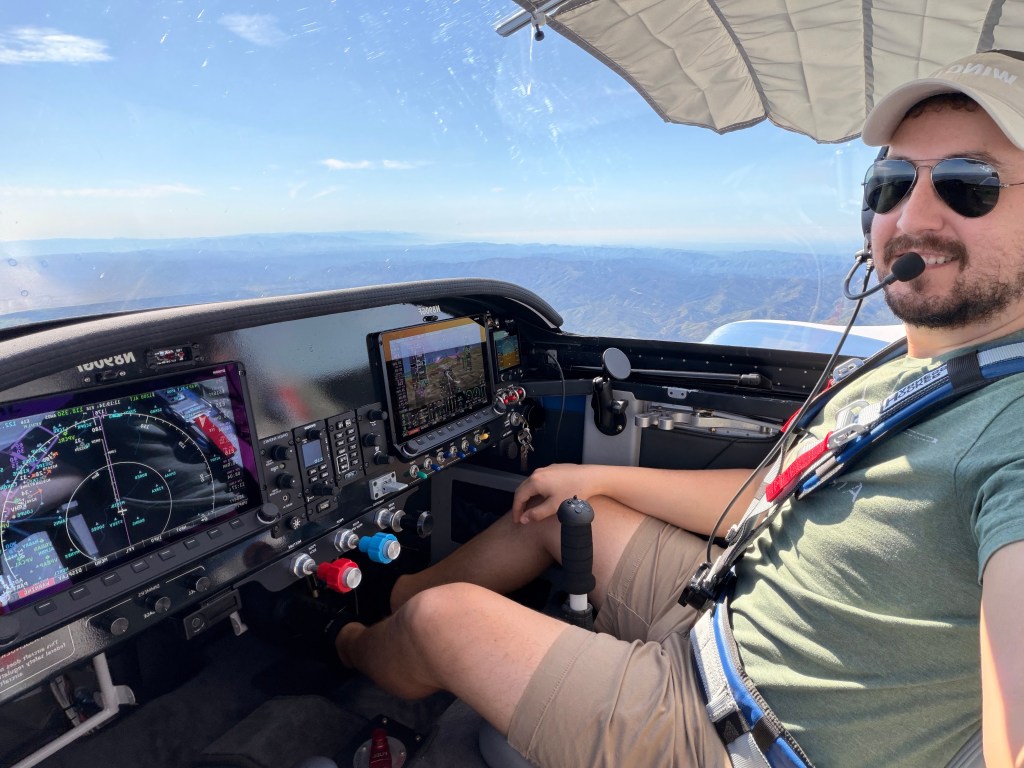
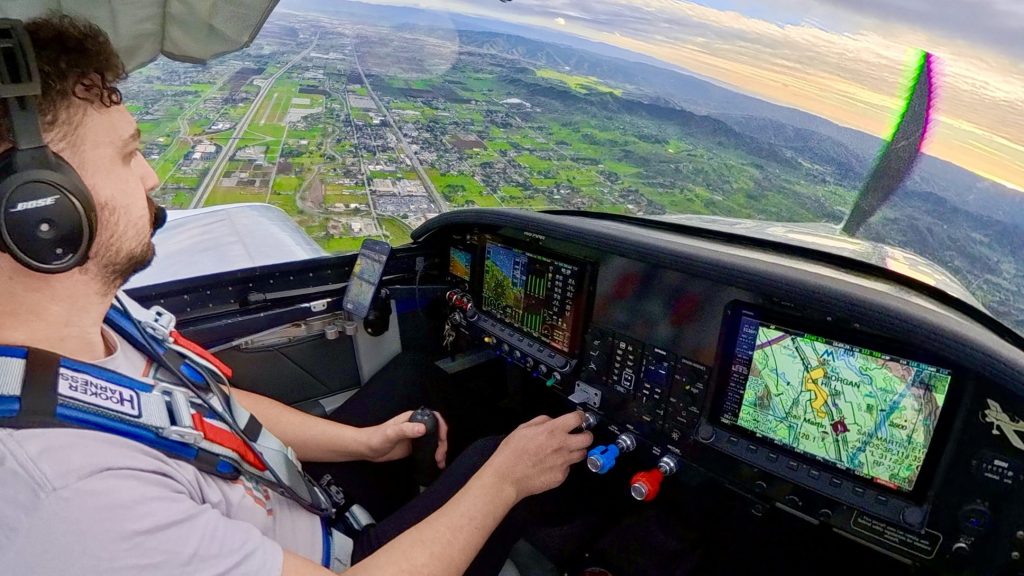

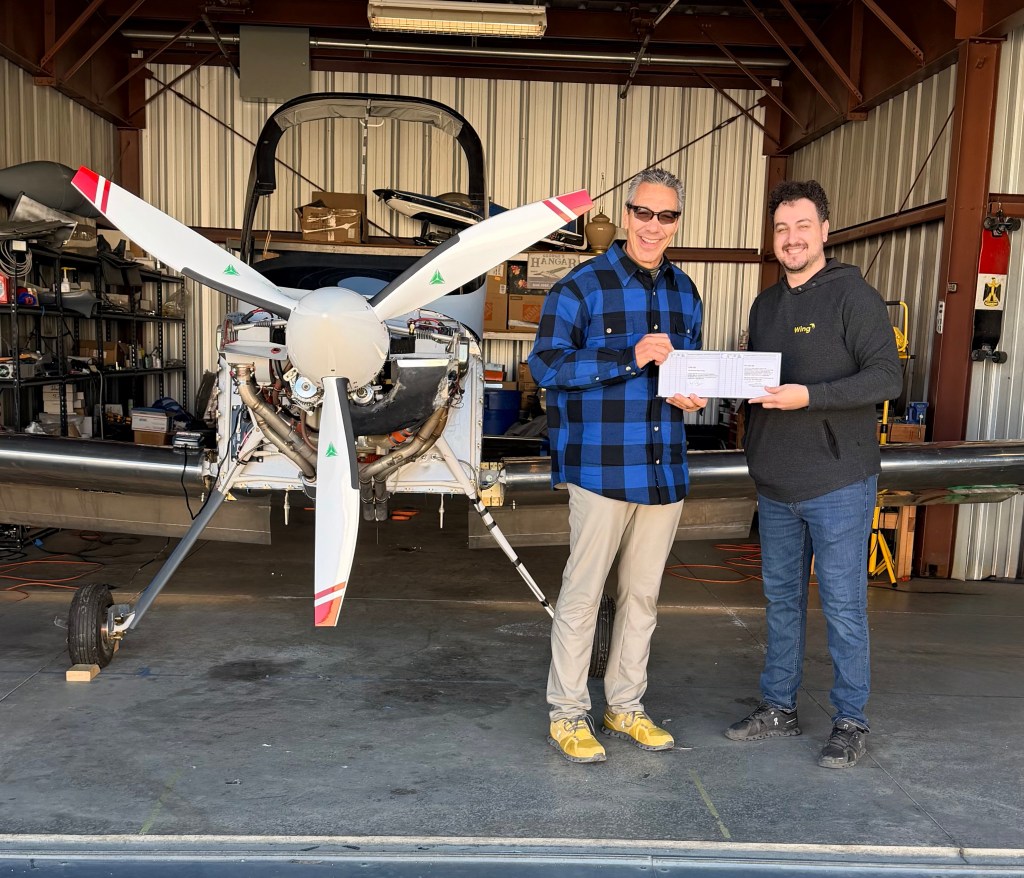
 RV-7 N890GF
